The EU Packaging and Packaging Waste Regulation is Coming: Why Supply Chain Mapping is an Essential First Step
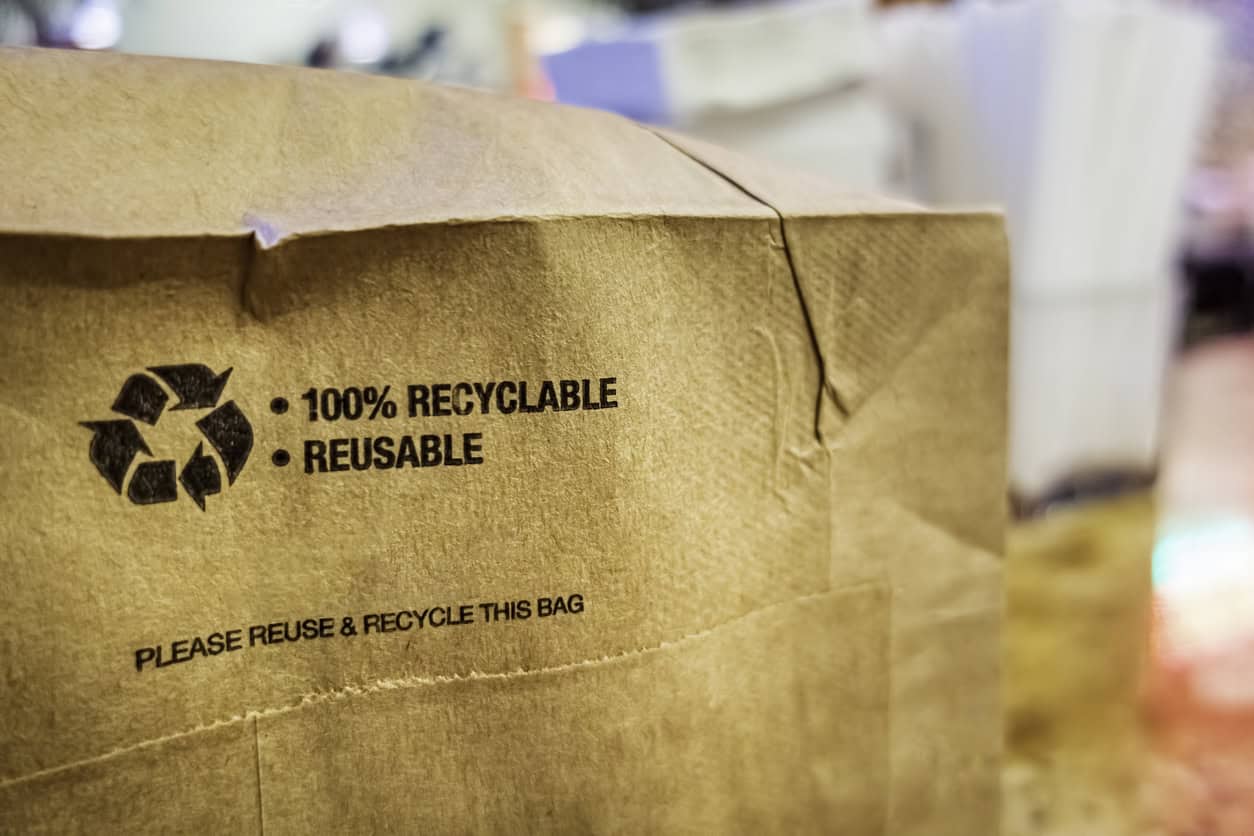
The first phase of enforceable obligations for the EU's Packaging and Packaging Waste Regulation, otherwise known as PPWR, go into effect on August 12th. The law will require mapping of packaging products and packaging waste along with the elimination of restricted substances (such as PFAS and heavy metals), labeling requirements for recycled materials, and mandatory targets for the minimum percentage of recycled plastic in packaging and stricter recyclability design standards - with requirements phasing in between 2026 and 2035. The full list of PPWR requirements and enforceable obligations can be found on the EU Commission's Packaging Waste portal.
Supply chain mapping is a foundational requirement for PPWR compliance
Economic operators - including manufacturers, importers, and distributors of packaging materials included in the regulation's scope - are required to map their product supply chains to ensure all suppliers are documented and products are mapped to the source. This is critical for compliance with several key elements of the regulation:
Requirement 1: Substance and Material Tracing - Manufacturers and importers must maintain auditable evidence proving that their packaging complies with strict bans on harmful substances, including PFAS and BPAs. This requires a complete supply chain map plus additional evidentiary documentation to demonstrate that all packaging materials have been traced, full chemical makeup and origin of packaging components are documented, and that no harmful substances have made it into the finished products.
Requirement 2: Technical Documentation and Declaration of Conformity (DoC) - Similarly, auditable technical data is required to ensure manufacturers and importers have complied with strict recyclability requirements in order to place packaging goods on the EU market. Supply chain mapping is the only way to ensure that the required amount of recycled material is present in finished products.
Requirement 3: Mapping of Supply Chain Actors - PPWR assigns specific legal obligations based on where a company sits in the supply chain, either as a manufacturer, importer or distributor. These definitions may vary by EU member state, requiring companies to map their complete product supply chains to not only ensure that all material composition requirements are met, as noted above, but also to ensure that it is known who holds legal responsibility in each market.
Requirement 4: Tracing Post-Consumer Recycled Content - Finally, for plastic packaging, companies are required to meet minimum recycled content thresholds that require them to trace plastic material - such as resin - and mapping recycled content back to the source. Tracing post-consumer recycled content can be notoriously challenging, necessitating supplier-attested mapping with document collection to ensure legal obligations are met.
Failure to comply with PPWR can mean loss of access to the EU market
Don't wait to start preparing for the EU's PPWR. Not having the proper documentation and labeling can mean losing access to the EU market.
Interested in learning more about how PPWR impacts your business? Reach out to book a consultation with a member of our team of policy experts today.