What Does a CBP "Release Package" Actually Look Like?
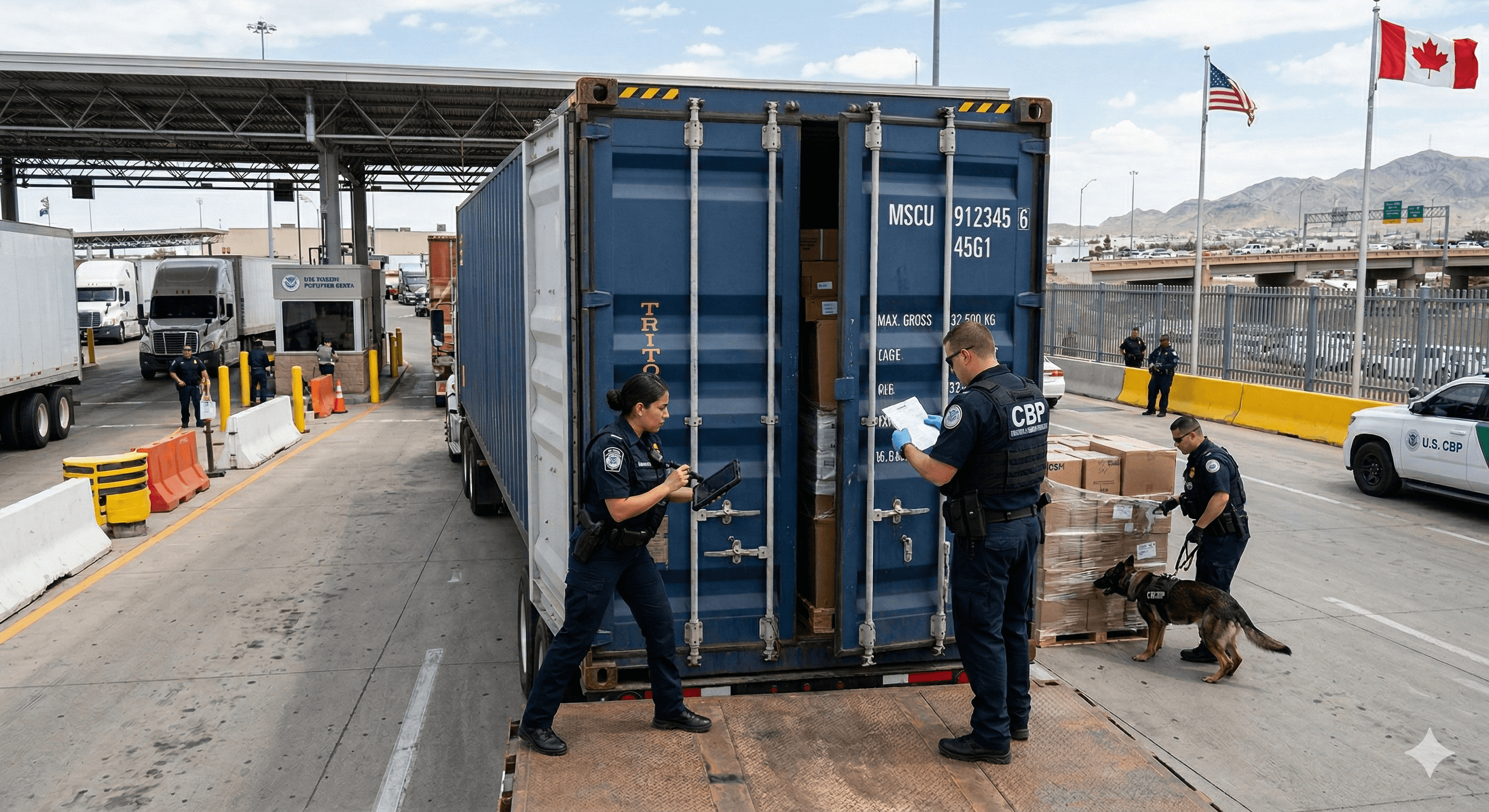
The US Forced Labor Bans have transformed the way goods enter the United States. Since their implementation, U.S. Customs and Border Protection (CBP) has detained billions of dollars worth of shipments—from solar panels and electronics to t-shirts and flooring.
If your shipment is detained, the clock starts ticking immediately. To get your goods released, you must provide "clear and convincing evidence" that they were not made with forced labor. But what does that look like in practice?
Here is a breakdown of the essential components found in a successful CBP release package:
1. Executive Summary
You cannot simply dump a folder of 500 PDFs on a CBP officer’s desk and expect a release. The most successful packages begin with a written narrative. This summary acts as a roadmap. It should clearly state whether you are seeking an Applicability Review (proving your goods have no connection to the affected regions) or an Exception (proving that while there is a connection, no forced labor was used).
2. Supply Chain Map
CBP requires a cradle-to-grave view of your product's supply chain, also known as a Supply Chain Map. Supply chain maps are best presented visually and must include every entity involved in the production of imported goods, from raw materials to final assembly.
What to include:
Names and physical addresses of all manufacturers.
A detailed Bill of Materials (BOM).
The role each entity plays (e.g., "polysilicon ingot producer" or "yarn spinner").
3. Transaction-Level Traceability
For every node in the supply chain, you must provide documents as evidence that goods actually moved between those parties. Transactional documents may include:
Purchase Orders & Invoices: Proving the intent to buy and the cost.
Bills of Lading (BOL): Showing the physical movement of goods via sea, air, or truck.
Proof of Payment: Bank statements or wire transfer confirmations.
4. Plausibility of Production
A common reason for detention is the suspicion that production is assigned to a compliant factory when in reality that factory does not have the capacity for producing the declared volume and instead acts as a front for a non-compliant factory. To rebut this, you must provide Production & Labor Records:
Employee Timecards: Proving that local, documented workers performed the labor.
Inventory Logs: Showing that the volume of raw materials entering the factory matches the volume of finished goods leaving it (Input-Output Reconciliation).
Factory Photos: Time-stamped images of the production floor and machinery.
5. Commodity-Specific Evidence
Depending on what you are importing, CBP may require scientific or highly technical evidence. For example:
Cotton: DNA tracing or isotopic testing results to prove the fiber's origin.
Polysilicon/Solar: Detailed records of quartzite mining and step-by-step ingot production logs.
PVC/Aluminum: Records tracing the source of raw minerals and energy inputs (like coal).
Where to Start
Orchestrating the release of a shipment is a massive administrative undertaking. It requires transparency with suppliers and a rigorous document retention policy. Learn how to automate your supply chain traceability in line with CBP guidance or how to prevent detentions altogether: