New FCC Ruling Requires Friendly-Country Sourcing for ALL ‘Smart’ Electronic Parts
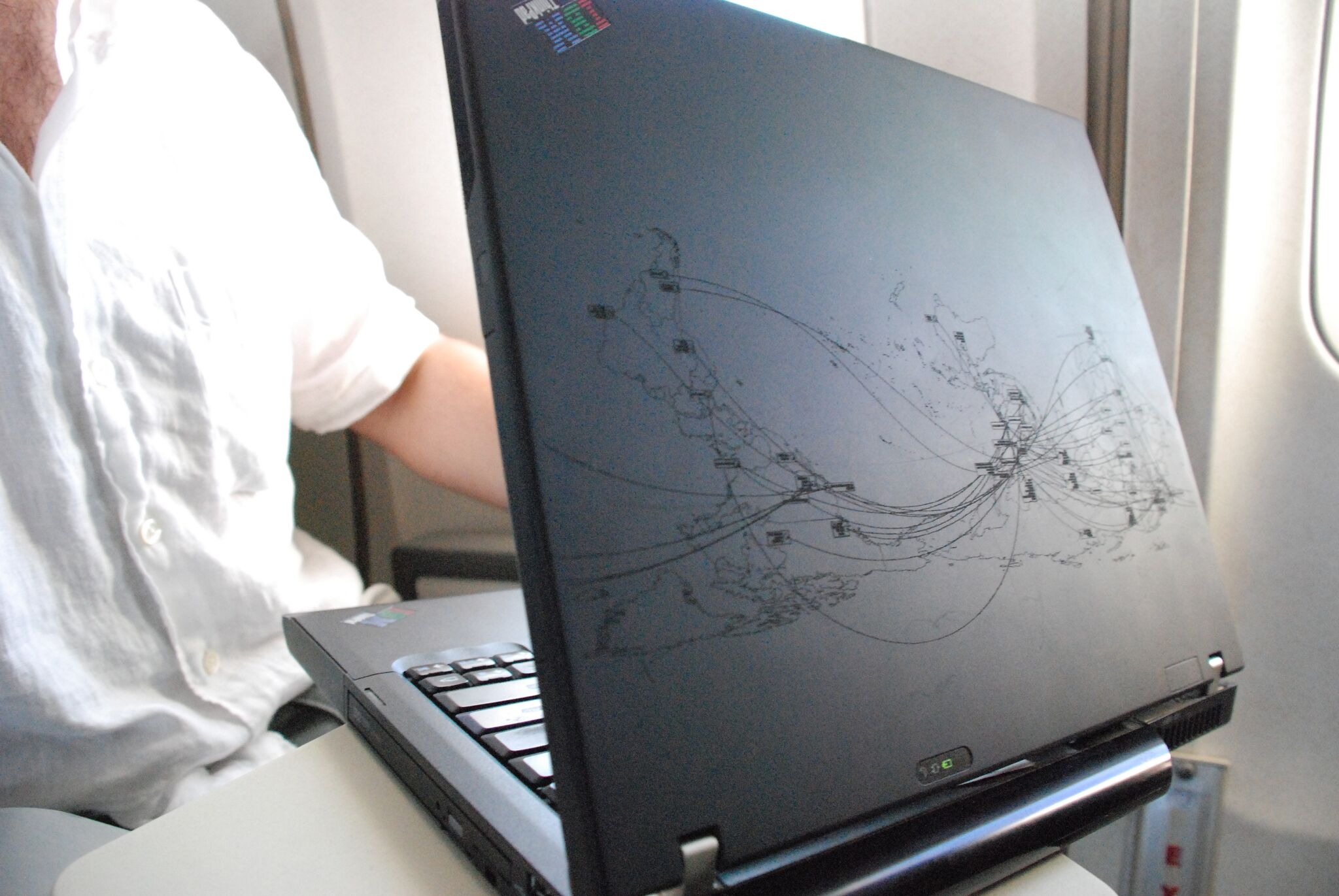
First Regulation Requiring Verified Supply Chain Mapping for Semiconductor Devices
To sell an electronic device in the United States, you need an FCC equipment authorization. As of July 22, you cannot obtain one if the device contains a chip made by a supplier on a watchlist. It does not matter that you bought the chip from an American distributor, or that your contract manufacturer assembled the product in Texas. This marks the first time that the FCC has regulated the origin of sub-components in a product's bill of materials.
What changed
The FCC maintains a Covered List of companies and equipment categories judged to represent an unacceptable national security risk. Huawei and ZTE have been on it since 2021. The Commission has since added entire product categories: all drones and drone components made outside the US (December 2025), and all routers made outside the US (March 2026).
Until last week, the ban only applied to final manufacturing of these devices - not the components inside. The July 22, 2026 FCC Third Report and Order closes that gap: products can no longer be authorized by the FCC if they contain a logic-bearing component made by a Covered List company. Logic-bearing means anything that computes: a chip, a processor, a radio module. Chairman Carr said the rule reaches every logic-bearing part and exempts only "dumb" hardware like screws and nails.
Bill of Materials Traceability
To certify a product now, you need to know the manufacturer of any 'smart’ sub-component, which often means obtaining visibility into Tier 2, Tier 3, and Tier 4 of the electronics supply chain - something very few US companies have achieved to date.
Visibility comes down to mapping (knowing who supplies your suppliers and contract manufacturers) and verification through traceability document collection (pulling together the receipts that prove the supply chain being a doubt).
The FCC Now Investigates Component Origin Claims
On July 21, the FCC opened proceedings to revoke the authorizations it had granted this spring to Odyssey Robot LLC for a drone and its remote controller. Odyssey had certified that the products were designed in California and assembled in Texas by eTak Worldwide Corporation, an electronics recycling company, and so were not covered by the foreign drone ban.
An independent researcher, Konrad Iturbe, published a five-page report on June 5 questioning whether Odyssey was an American manufacturer at all. The FCC's Enforcement Bureau read the report, opened an investigation, contacted the Texas assembler Odyssey had named, and found that the test reports filed with the application showed the testing had been done in China. It is the first time the agency has moved to revoke a drone company's approvals for evading these rules.
Documents Must Be Verified
The same day, the FCC's Office of Engineering and Technology moved to strip recognition from Shenzhen STS Test Services. The lab had submitted the same test results, copied and pasted, for 40 different products ranging from smartphones to car diagnostic tools. It admitted the reports were falsified. Around 23 labs have now lost or been denied FCC recognition under the agency's "Bad Labs" program, including SLG-CPC Test Laboratory in Dongguan last month.
Buy American Rules Also Require Bill of Materials Mapping
Also on July 21, the FCC extended two exemptions from the foreign drone ban to January 1, 2028. The first covers drones on the Department of War's Blue UAS list of cleared systems. The second covers drones that qualify as domestic end products under the Buy American standard. Products holding a DoW Conditional Approval no longer have an expiration date at all. A separate notice asks for comment on banning the import and sale of foreign military-grade drones on the Covered List, including swarming drones and drones with infrared or LiDAR sensors.
Qualifying as a domestic end product means that at least 65 percent of a product's component value was produced in the United States. Companies need to map their n-Tier supply chain to calculate component origin value distribution, and keep the map up-to-date as suppliers inevitably turn over.
Bill of Materials n-Tier Mapping is the New Normal
US Section 232 and 301 tariffs and the EU's Cross-Border Adjustment Mechanism or CBAM are only some of the new requirements that impose significant penalties based on the origins of some of the materials in a product. Supply chain visibility requirements have evolved from understanding tier-1 supplier locations, to mapping and verifying every tier and every transaction in the extended n-tier supply chain. For electronics manufacturers starting their supply chain mapping today, three capabilities are required:
Trace every logic-bearing component in a product to the company and facility address that made it.
Know which lab, auditor or certifier stands behind each document in a compliance file, and be able to requery that file when one of them is disqualified.
Recompute value-based thresholds from current sourcing data, and show the work.
Need help? Sourcemap's experts have been assisting companies in mapping their Bills of Materials down to the raw materials since 2011. Get in touch with our experts to schedule a free consultation and learn more.