What is Supply Chain Mapping [2026 Edition]

What is Supply Chain Mapping? [2026 Edition]
Until recently it was nearly impossible for a company with a global supply chain to actually know every supplier in the chain. That's in part because companies are accustomed to only dealing with their direct suppliers, even when every direct supplier could have hundreds or thousands of their own critical suppliers. And it's in part because the software used to manage supply chains was only designed to manage procurement with direct suppliers, often lacking even the most basic data on where products are actually made or raw materials are actually sourced.
Everything changed with the introduction of supply chain mapping software in 2011, a technology born at MIT that took advantage of social networks, online maps and cloud computing to make it possible for a company to connect with all of its suppliers, from the direct suppliers to the intermediaries all the way to the producers of the raw materials themselves. Companies adopted this technology when something went wrong: for example, in the aftermath of the Tohoku tsunami when auto companies needed weeks to find out how the natural disaster impacted third- and fourth-tier suppliers they never knew were in their supply chains. After the Ivorian civil war of 2012 the cocoa industry also began to map its supply chains to understand and improve social conditions across the millions of small-scale cocoa farmers that the industry depends on.
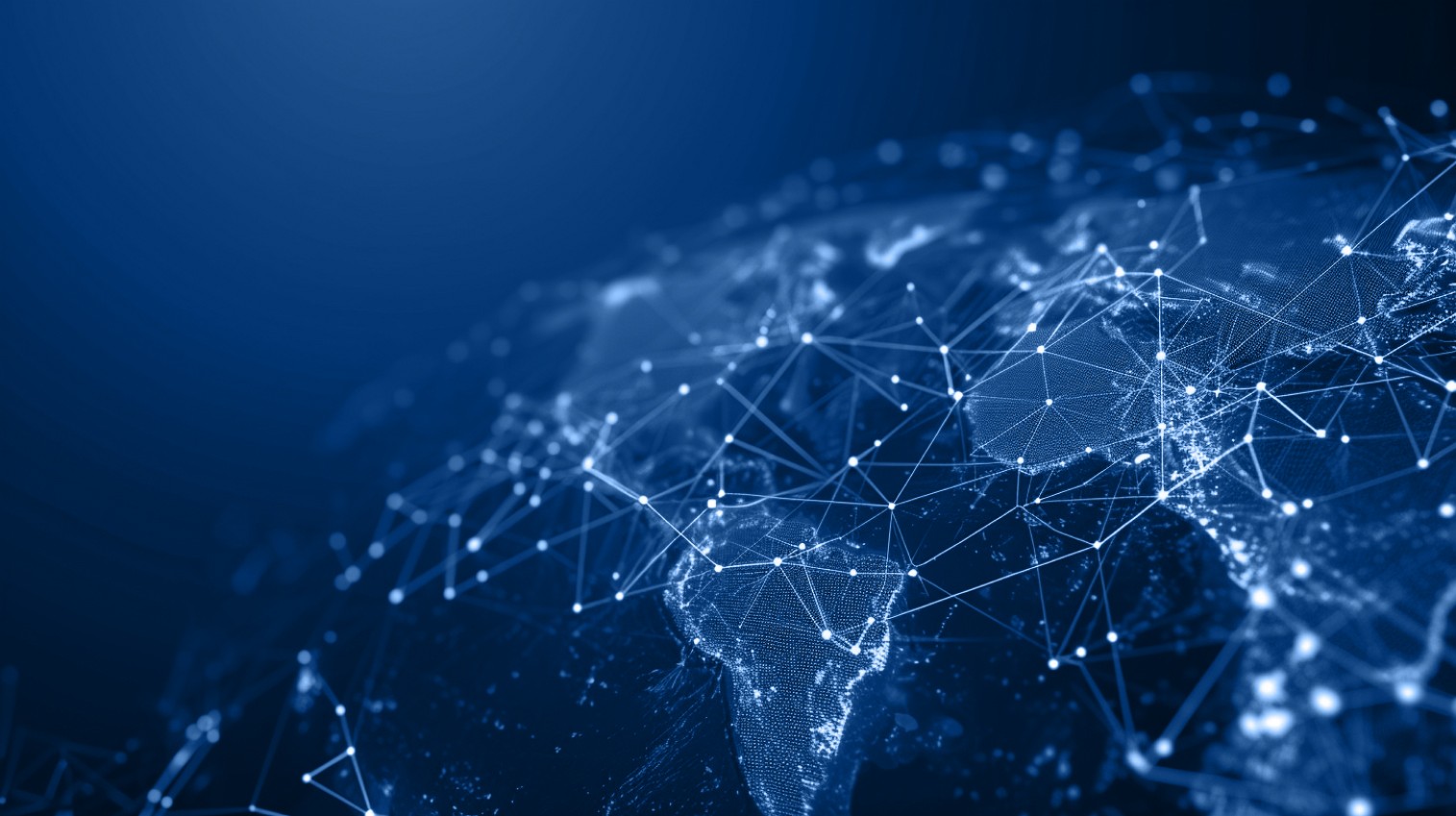
Supply chain mapping works by connecting companies with their indirect suppliers so that they can locate every site in the supply chain and work with the suppliers to ensure that certain standards are in place every step of the way. Supply chain mapping solves two problems: a lack of visibility and a lack of communication between companies that are indirectly dependent on each other through a multi-tier supply chain. Visibility allows companies to know who they're in business with albeit indirectly, and perform cursory checks - for example a supplier's legal standing or a farm’s location in an authorized concession. But without communication, supply chain visibility achieves very little. As soon as a natural disaster disrupts a supply chain, visibility only reveals what everyone already knows - that a supplier might be affected based on their location. The real work starts when a company contacts the tier-3 or tier-4 supplier to make sure that everything is ok.
For this to happen, a number of things must be true.
First, supply chain mapping has to be done by the companies in the supply chain themselves: no third party has access to the contracts, receipts, factory addresses and contact information needed as these all begin as confidential business information. AI-based supply chain mapping uses inferences based on public data with no actual insight into the products, their proprietary formulations, and the specific transactions that bring them to market.
Second, supply chain mapping must be based on a network of active suppliers that know they're in business with each other. Blockchain and other technology that seeks to anonymize suppliers and contractual relationships might validate a chain of custody for a product but it keeps any issues from being tackled if they should occur.
Third, supply chain mapping should be independently verifiable. There are many reasons for suppliers to misrepresent their supply chains: favorable tariffs, compliance with human rights and environmental regulations. Any supply chain map should be accompanied by an audit trail of documents to substantiate who is in the supply chain at any given time, and provide reasonable evidence that the product actually passed through the hands of the mapped suppliers. Contracts, receipts, bills of lading, production records are all collected from suppliers and sub-suppliers for this reason.
Finally, supply chain mapping should live in a central system of record so that at least one group of users can see the entire global supply chain for a given company. Consolidating a global supply chain's worth of data into a visualization and a database that one user can make sense of is the crowning achievement of supply chain mapping and it unlocks incredible opportunities to make the business more resilient, more efficient, and more responsible. Data that's locked away into silos propagates many of the problems that supply chain mapping was created to solve in the first place, namely the ability to rapidly identify and engage in issues no matter where in the supply chain they occur.
Sourcemap was born in the wake of the Tohoku tsunami to tackle n-tier supply chain mapping for large companies, and was field-tested in the cocoa farms of Côte d’Ivoire starting in 2012. To find out more about how supply chain mapping can transform your business get in touch with our team of experts who'll be glad to show you the way.