What the EU Green Transition Directive means for supply chain claims
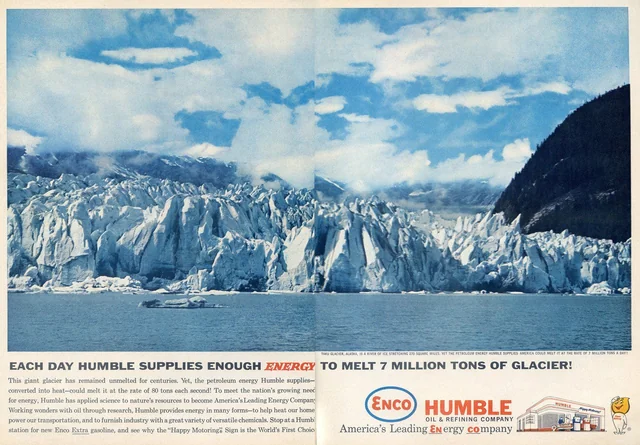
The EU's Directive on Empowering Consumers for the Green Transition (Directive (EU) 2024/825, or ECGT) bans misleading environmental claims. It also bans sustainability marketing that companies can't verify.
What the directive prohibits
The law bans five common practices.
Generic claims such as "eco-friendly," "green," "nature-friendly," and "sustainable" are banned. The exception is a company that can show officially recognized excellent environmental performance, for example under the EU Ecolabel scheme.
Claims that a product is "climate neutral," "carbon neutral," or "net zero" based on carbon offsets are banned. Climate claims have to reflect real emissions reductions in the company's supply chain.
Companies can no longer create their own eco-badges or sustainability trust marks. A label must come from an official public scheme or be verified by an independent third party.
A claim that covers one component or one stage of a product's life can't be used to imply the whole product is sustainable. "Recycled packaging" is the typical example.
Future targets like "net zero by 2030" need a detailed, public, and realistic implementation plan. An independent third party has to verify it.
How to communicate supply chain credentials legally
Replace general statements with claims that are precise, verifiable, and scoped. Here are three examples.
Non-compliant claim | Compliant claim |
|---|---|
"Sourced from sustainable, eco-friendly farms" | "100% of the cotton in this garment is sourced from farms certified under [recognized scheme], verified by batch audit." |
"Green supply chain with net-zero logistics" | "Scope 3 transport emissions reduced by 18% in 2025 across core distribution routes, excluding offsets." |
"Made with recycled materials" | "The outer shell of this jacket is made from 85% post-consumer recycled polyester." |
The audit trail behind every claim
Under the new rules, supplier self-declarations and high-level questionnaires are no longer enough evidence. Every claim needs an audit trail that runs the length of the supply chain.
The trail follows the product from the raw material source at Tier-n, through processing and component assembly, to finished goods manufacturing and consumer distribution. Each stage produces its own evidence. At the source, that means certificates and testing. Through processing, it means chain of custody records and transaction receipts. At the finished product, it means a traceable dossier or Digital Product Passport with data the public can verify.
An audit trail has two parts:
1. Verified traceability
Traceability follows every batch or lot of material from extraction at Tier 4 or Tier 5, through transformation and transport, into the final product.
Companies need transaction-level records that link materials at each tier of the supply chain. These include bills of lading, chain of custody certificates, and batch numbers.
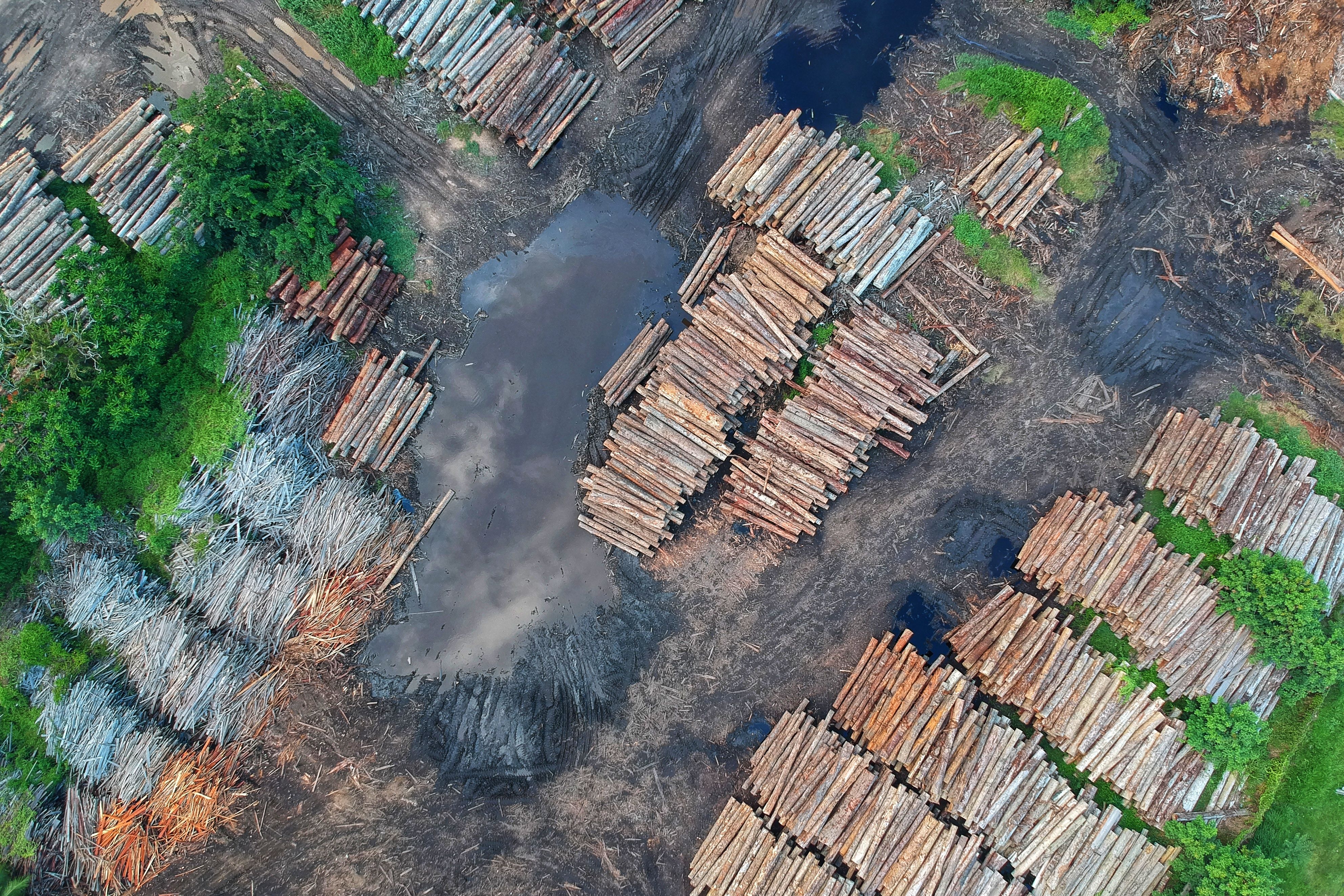
For commodities like timber, cocoa, and recycled plastics, companies must document whether the material is physically segregated or mass-balance verified. Either way, inputs and outputs have to match real production volumes.
2. Source assurance
Traceability shows where a material traveled. Source assurance shows how it was produced at origin.
Accredited third-party auditors or laboratory analysis must verify raw material claims at the source. Methods include isotopic testing, satellite monitoring, and DNA tracing.
Source assurance also keeps unverified, noncompliant, or illegally harvested material from entering the certified supply stream unflagged.
Without traceability and source assurance, claims about scope 3 emissions, deforestation-free sourcing, ethical labor, or material origin are exposed to enforcement. That means fines and compulsory public retractions.
What to do now
Review every environmental claim on your packaging, website, and marketing materials. Flag generic or offset-based claims for removal or revision.
Map your supply chain beyond Tier 1, down to primary raw materrials suppliers. This shows where origin and processing data is missing.
Build one central repository that links every product claim to a third-party certification, a lab test result, and/or a verified supply chain transaction. The same data prepares you for Digital Product Passport requirements under the EU Ecodesign regulation.
Set up independent verification for both supply chain origins and long-term decarbonization targets.
Sourcemap was founded to combat greenwashing with evidence-based, supply chain-wide data collected, validated and reported transparently. To find out more about how we help the world's largest companies substantiate sustainability claims get in touch with our experts at https://www.sourcemap.com/demo